The Hidden Cost of Free ODM Design
In the competitive hardware landscape of 2026, many Original Design Manufacturers (ODMs) offer a tempting entry point. They provide engineering and design services for free in exchange for a manufacturing contract. However, experienced B2B leaders now recognize this as a strategic trap.
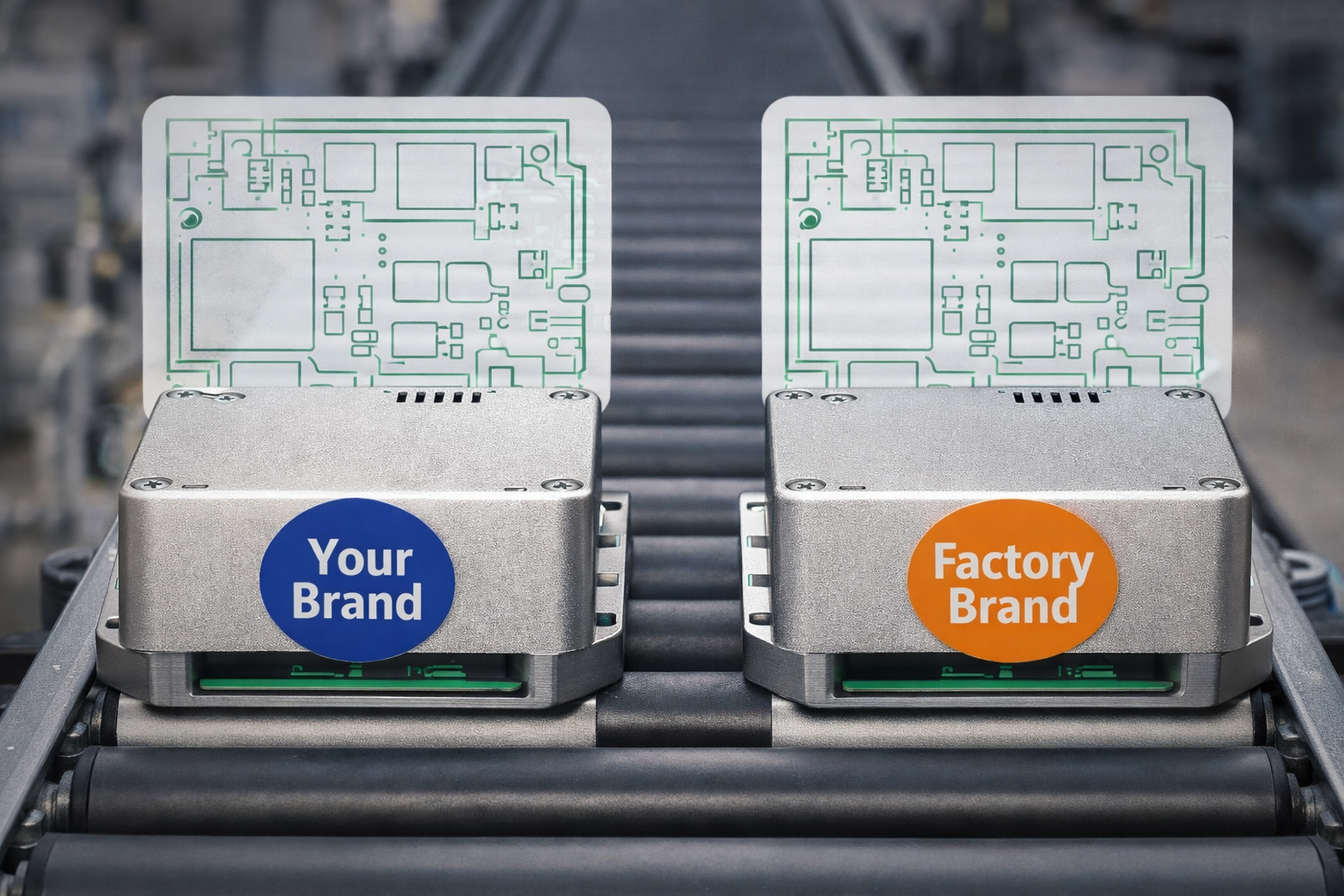
When an ODM designs your product for free, they almost always retain ownership of the Intellectual Property (IP). This creates three critical business risks that can destroy a company’s growth.
1. Total Vendor Lock In
If your ODM partner raises prices or quality drops, you are stuck. You do not own the CAD files or firmware source code. Therefore, you cannot move your production to another facility. Moving production would require a ground up redesign. This costs hundreds of thousands of dollars and at least a year of lost Time to Market (TTM). Many companies fall into this trap by failing to understand the fundamental differences between ODM and OEM models before signing a contract.
2. The Competitor in the Factory
In 2026, the line between manufacturer and brand has blurred. Many ODMs now launch their own internal brands. By allowing an ODM to design your product, you are training your future competitor. The World Intellectual Property Organization confirms the stakes are higher than ever. WIPO notes that “innovation is a key driver of growth with IP at the center of many business strategies, whether protecting and promoting breakthrough technologies or eye catching designs.“ Leaving these assets in factory hands is a risk few can afford.
3. Compliance and Data Liability
New global regulations, such as the EU Digital Product Passport (DPP), now require brands to provide full transparency on every component. According to official EU implementation timelines, the mandatory DPP registry is set to go live in 2026, demanding detailed data on material origin and repairability. ODMs often refuse to share this proprietary information. This leaves your brand legally liable and unable to export to major markets. Learn more about how to avoid common pitfalls when working with ODM factory designs to protect your market access.
The IP Custodian Model: The Titoma Philosophy
Titoma operates on a fundamentally different philosophy called Hardware Sovereignty. As an IP Custodian, we provide the efficiency of Asian manufacturing with the security of a professional service firm.
How the IP Custodian Model Protects You
- Full Ownership Transfer: Unlike an ODM, Titoma ensures you own every circuit layout, mechanical drawing, and line of code. This gives you the portability to move production to Taiwan, Mexico, or Colombia if geopolitical factors shift. This is vital as the U.S. Department of Commerce notes that Colombia has “emerged as an important regional nearshoring center“ for firms targeting regional expansion and diversified supply chains.
- Sourcing First Engineering: Most delays happen because engineers pick parts that are out of stock. At Titoma, we verify component availability in the Asian supply chain before we start engineering. This ensures a Zero Respin Design that avoids the six month delays common in traditional manufacturing.
- Firmware Sovereignty: In a world of IoT and Edge AI, your firmware is your most valuable asset. Deloitte’s latest 2026 outlook warns that for technology leaders, “the infrastructure built for cloud first strategies cannot handle AI economics“ meaning you must own the hardware layer to survive. We treat your code with the highest security to ensure it remains your proprietary engine.
Speed Without Sacrifice
At Titoma, our namesake (Time to Market) is our primary metric. But we believe speed should never come at the cost of your company’s future. By integrating Design for Manufacturing (DFM) from day one and securing your IP, we help you launch faster than the ODM model with none of the long term risk.
2026 Strategy Checklist for B2B Leaders
- Do we own the latest firmware source code for our current product line?
- If our current factory closed tomorrow, could we start production elsewhere in 30 days?
- Is our Bill of Materials (BOM) designed for 2026 supply chain resilience?
Conclusion: Own the Design, Control the Future
The era of blindly trusting the factory is over. In 2026, hardware is an IP game. By choosing an IP Custodian over an ODM, you are buying the freedom to scale.
Stop being a tenant in your own product’s design.
Schedule a 2026 TTM Strategy Session with Titoma