

At CES 2026, the Internet of Things (IoT) has officially transitioned into “Cognitive Environments.” This deep-dive analyzes the 5 “Order of Magnitude” shifts in Physical AI manufacturing, Agentic IoT hardware, and Wi-Fi 8 industrial IoT deployment that are redefining the silicon-to-software stack.
1. Physical AI and Humanoid Scaling: The Arrival of Embodied Intelligence
In 2026, Physical AI has moved from digital chatbots to “Embodied Intelligence.” The core shift is the transition to Vision-Language-Action (VLA) models, which allow hardware to interpret natural language and visual cues to perform complex, unscripted motor tasks.
Technical Catalyst: NVIDIA Jetson Thor & Rubin Platform
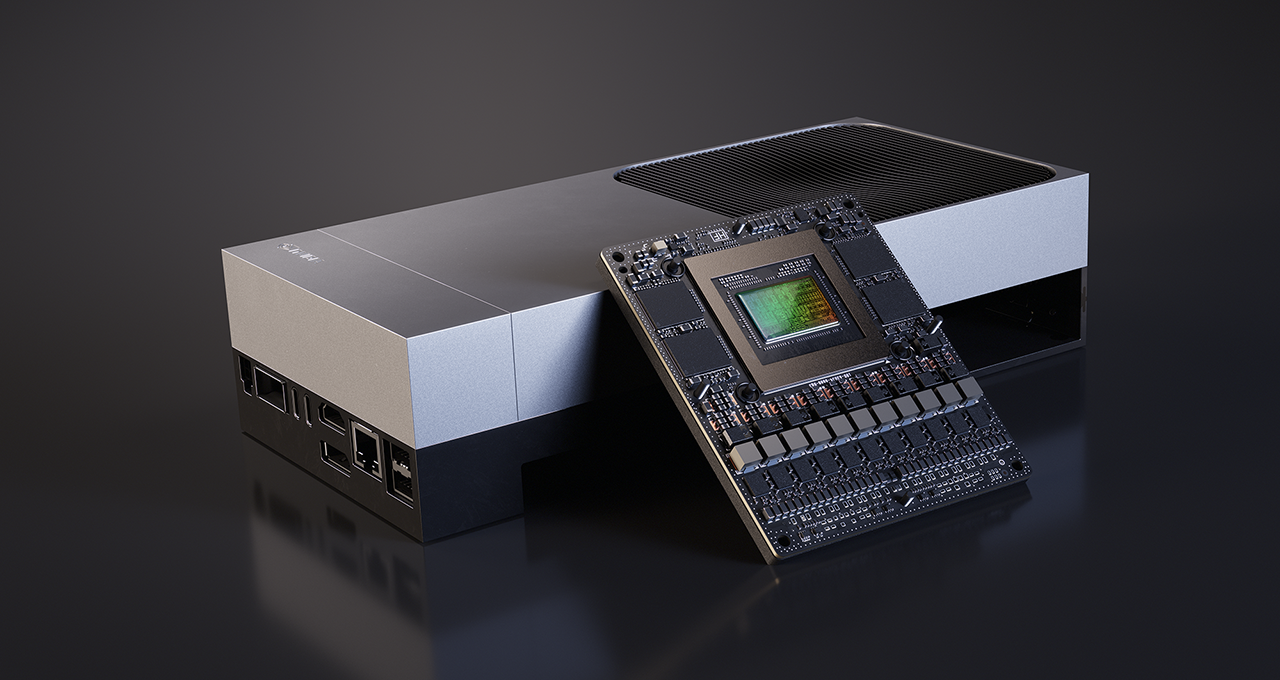
The NVIDIA Jetson Thor (built on the Blackwell architecture) is the 2026 silicon benchmark, providing 1,200 TFLOPS of FP8 performance. Supported by the NVIDIA Rubin platform, it enables robots like the Unitree H1 and Boston Dynamics Atlas to perform “reasoned” tasks on the factory floor without manual coding. Implementing such high-performance silicon requires a specialized approach to Design for Manufacturing (DFM) for the AI era.
Impact: VLA models allow robots to perceive an environment and autonomously decide to move an obstruction rather than simply stopping, eliminating the “brittle” nature of 2024-era automation.
2. Agentic IoT: Local Inference via 80 TOPS NPU Platforms
The trend of Agentic IoT marks the definitive end of “Cloud-Only” dependency. Devices are no longer passive telemetry nodes; they are autonomous agents capable of the “Sense-Decide-Act” loop entirely at the edge. This transition is a core component of how AI and IoT are eliminating factory downtime by predicting failures before they occur.
Silicon-Level Inference: Qualcomm Dragonwing IQ10
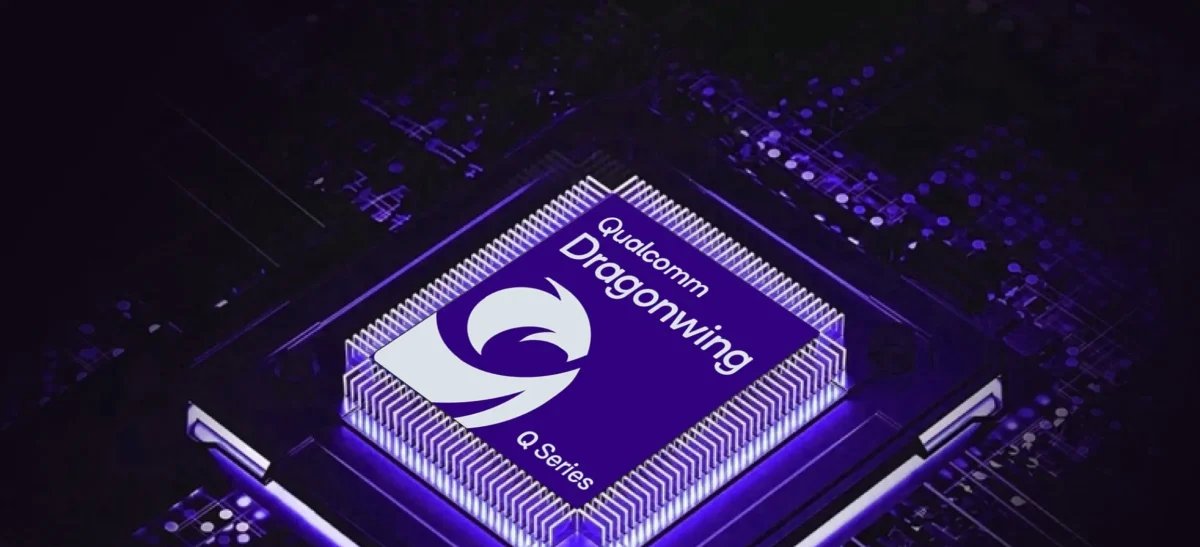
The Qualcomm Dragonwing IQ10 is the standout Edge AI hardware of 2026, featuring a dedicated NPU delivering 80 TOPS. For lower-power applications, the STM32 Edge AI series brings micro-inference to the MCU level, allowing for sub-millisecond anomaly detection while keeping sensitive data offline and secure.
3. Wi-Fi 8 (802.11bn): Establishing Deterministic Networking
Wi-Fi 8 industrial IoT adoption has begun, shifting the focus from peak bandwidth to Deterministic Networking. This provides the ultra-low, jitter-free latency (sub-5ms) required for safety-critical systems.
Technical Specifications & Reliability
Utilizing chipsets like the MediaTek Filogic 8000, Wi-Fi 8 introduces Multi-AP Coordination and Coordinated Spatial Reuse. These features prevent packet collisions in congested industrial environments, allowing hundreds of mobile robots and industrial XR headsets to operate simultaneously on a single wireless fabric.
4. Proactive Longevity Tech: Predictive Medical-Grade Wearables
IoT innovation trends 2026 highlight a pivot in digital health: moving from “tracking” history to “predicting” health trajectories through long-term biometric “drift” analysis.
The Biomarker Shift: Withings Body Scan 2
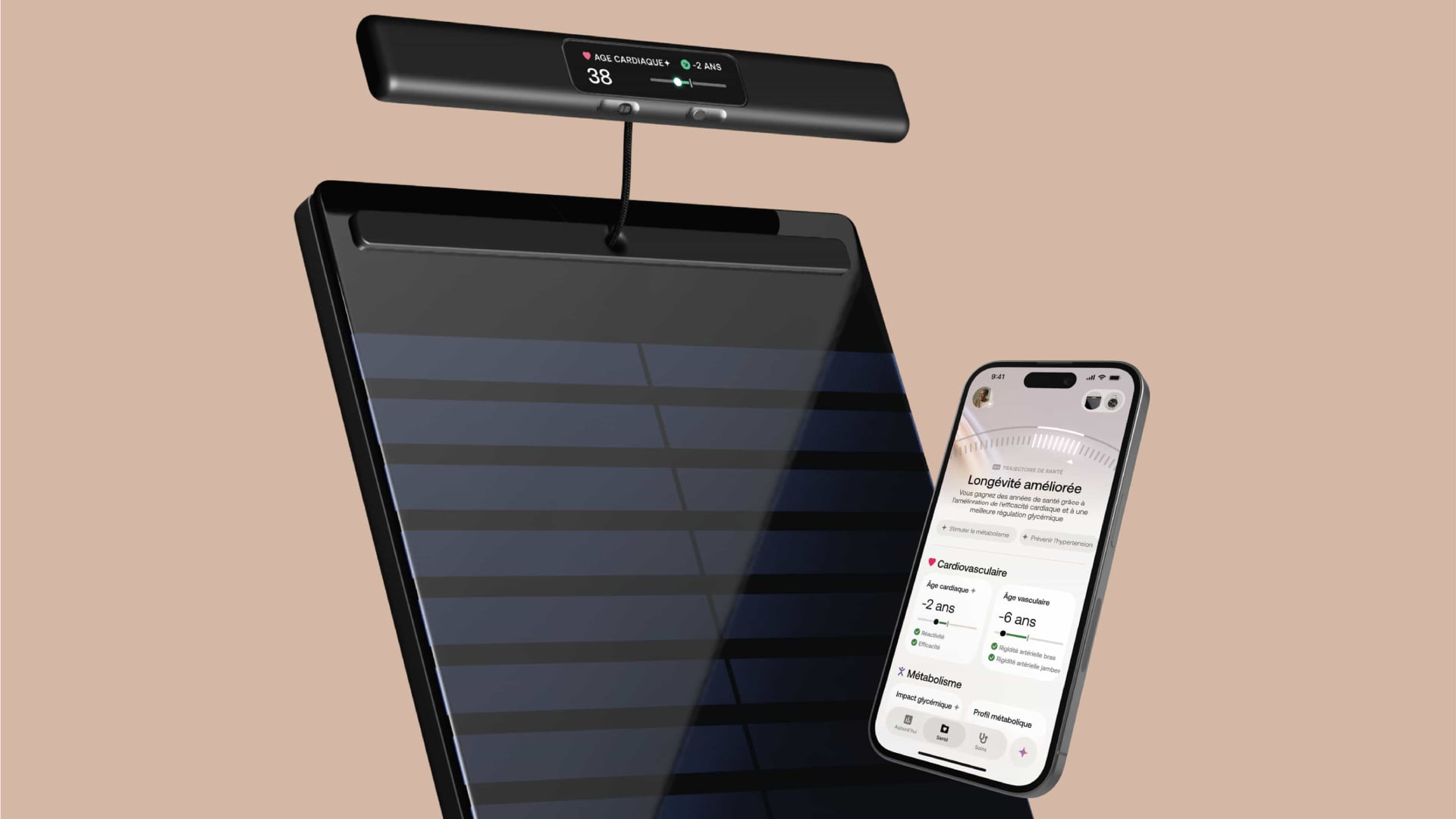
The Withings Body Scan 2 exemplifies this, monitoring 60+ biomarkers including Arterial Stiffness and Sudomotor function. This “Intelligence Care” shift uses local AI to predict cardiovascular risks years before clinical symptoms manifest, turning a gadget into a proactive medical agent.
5. Software-Defined Hardware: Engineering for 10-Year Lifecycles
The era of “disposable IoT” is over. 2026 marks the rise of Software-Defined Hardware, where silicon is over-provisioned at launch to accommodate a decade of AI evolution.
- NPU Headroom: Hardware is now engineered with 2x-3x more compute and memory than currently required.
- Sustainable ROI: Enterprises can “unlock” new AI features—such as updated predictive maintenance—via secure firmware updates, extending the equipment’s lifespan and reducing e-waste.
Technical Comparison: 2026 Leading AI Silicon
| Specification | NVIDIA Jetson Thor | Qualcomm Dragonwing IQ10 |
|---|---|---|
| Primary Focus | Humanoid Robotics / VLA | Agentic IoT / Edge Inference |
| AI Performance | 1,200 TFLOPS (FP8) | 80 TOPS (NPU) |
| Efficiency | High Performance / High TDP | Ultra-Low Power / Mobile-First |
| Connectivity | Wi-Fi 8 / 6G-Ready | Wi-Fi 8 / 5G-Advanced |